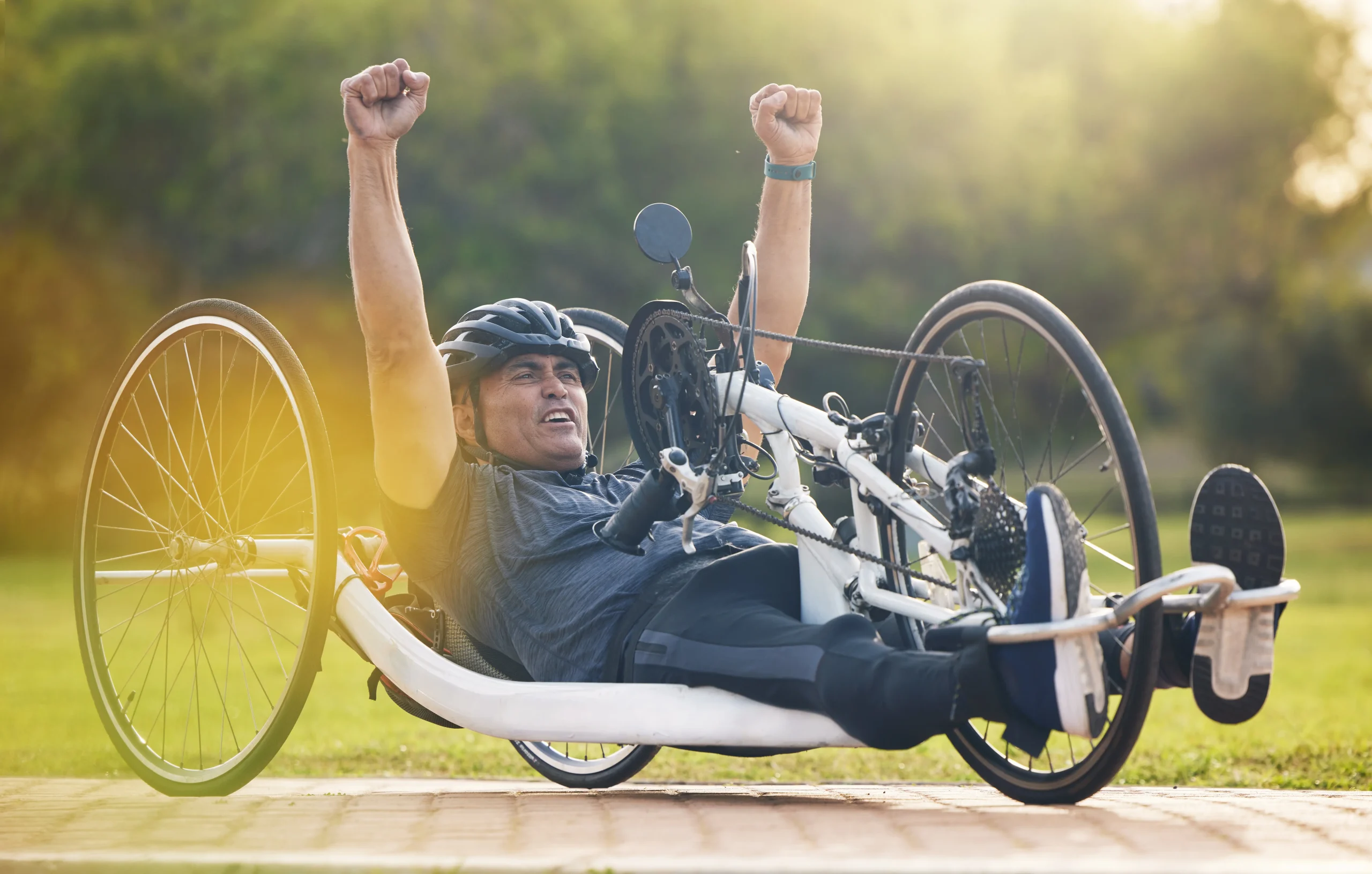
Breaking Barriers: Triumphs of Athletes in Adaptive Sports

Adaptive sports have transformed the athletic landscape, not just by providing opportunities for athletes with disabilities but by challenging society’s understanding of resilience, capability, and determination. These sports are more than competitions—they’re platforms where human potential redefines itself. Through the achievements of athletes in adaptive sports, the world is reminded that barriers exist only to be broken.

At the heart of this transformation are individuals whose lives exemplify the power of perseverance. Tatyana McFadden, one of the world’s most decorated wheelchair racers, embodies this spirit. Born in Russia with spina bifida and raised in an orphanage with minimal access to medical care, McFadden overcame immense odds after being adopted and brought to the United States. Her dominance in wheelchair racing, from marathons to Paralympic events, highlights the profound link between opportunity and triumph. Beyond her medals, McFadden advocates for disability rights, proving that the race is as much about inclusion as it is about speed.

The journey of Melissa Stockwell offers another powerful narrative. After losing her leg in combat as a U.S. Army irst lieutenant, Stockwell turned to sports as a pathway to healing and empowerment. Her transition from soldier to Paralympian is a story of resilience and reinvention, as she became a pioneer in paratriathlon and an inspiration for veterans and civilians alike. Stockwell’s achievements remind us that adaptive sports are not just physical contests but platforms for rewriting personal narratives.

Similarly, Lex Gillette redefines what it means to see potential through adversity. As a blind Paralympian, Gillette has excelled in the long jump, earning multiple Paralympic medals and world championship titles. Guided by a sighted guide and his own unwavering determination, Gillette’s success illustrates how trust, teamwork, and perseverance can overcome even the most daunting challenges. Off the field, he serves as a motivational speaker and advocate, inspiring others to embrace their abilities and redefine their limits. His journey highlights the diversity within adaptive sports and the boundless possibilities for athletes of all abilities.

These stories are not isolated—they’re part of a broader movement reshaping the sporting world. Adaptive sports, by design, challenge preconceived notions of disability and create spaces where differences are celebrated rather than overlooked. As more institutions and organizations invest in these platforms, the achievements of athletes like McFadden, Stockwell, and Gillette pave the way for future generations.

Moreover, adaptive sports don’t just transform the lives of individual athletes; they ripple outward, influencing how society perceives ability and inclusion. When athletes with disabilities excel on the global stage, they dismantle stereotypes and inspire change, proving that resilience and determination transcend physical limitations.

By celebrating these achievements, we’re not just applauding individual victories; we’re championing a cultural shift toward a more inclusive world. Adaptive sports remind us that, while challenges are inevitable, the human spirit is unyielding.
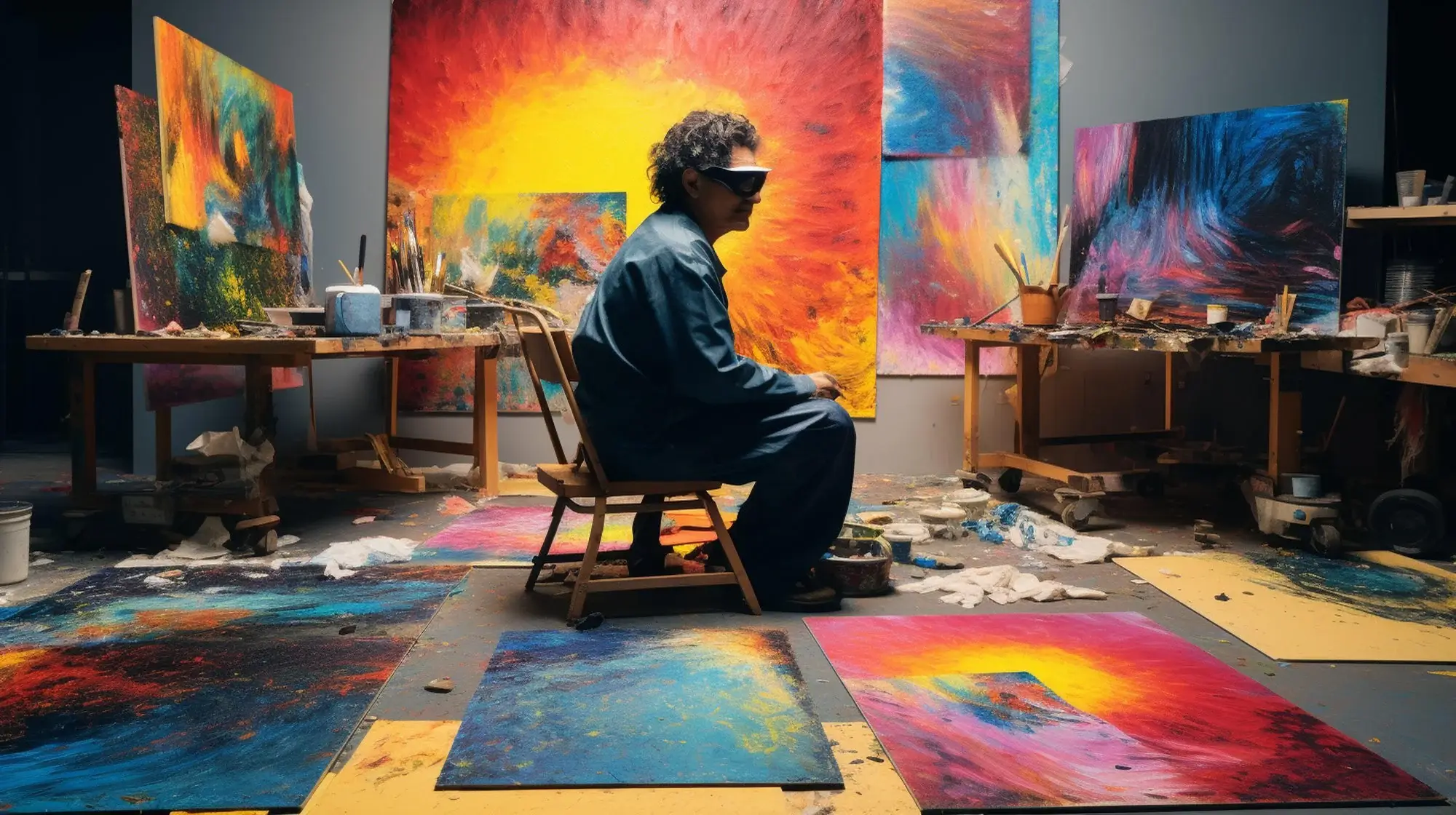
Art Without Limits: Celebrating the Creativity of Artists with Disabilities

Art is a universal medium through which individuals communicate their stories, challenge perceptions, and inspire change. For artists with disabilities, this expression becomes a profound act of defiance against societal limitations, redefining what creativity and resilience can achieve. By navigating personal and physical challenges, these artists not only enrich the cultural landscape but also create pathways for greater inclusivity and understanding in the arts.

The journey of Frida Kahlo, for example, exemplifies how personal adversity can shape groundbreaking artistic contributions. Born with spina bifida and later afflicted by polio, Kahlo endured physical challenges throughout her life. Yet, it was after a devastating bus accident that her artistic voice found its focus. Confined to her bed during recovery, she began painting vivid self-portraits that explored her identity, pain, and resilience. Her works became a testament to the power of art to turn hardship into a source of universal connection.

Similarly, Stephen Wiltshire demonstrates the transformative intersection of art and perception. Diagnosed with autism and non-verbal until the age of five, Wiltshire turned to drawing as his first language. His ability to render intricate cityscapes from memory highlights not just technical mastery but also the profound ways in which artists with disabilities interpret and reshape the world around them. Wiltshire’s acclaim has reframed conversations, shifting focus from limitations to possibilities, and his story reinforces the idea that artists are defined by their work, not their conditions.

The work of Yayoi Kusama further illustrates the ways in which artists channel personal challenges into universal themes. Her experiences with obsessive-compulsive disorder and hallucinations inform her immersive installations, inviting viewers into her sensory world. Kusama’s polka dots and repetitive patterns have become iconic, bridging her personal struggles with global appreciation for the boundless potential of creativity.

These examples highlight a broader truth: artists with disabilities are not defined by their limitations but by their ability to challenge societal norms and expand the definition of creativity. Their works are reminders that art is not confined by ability—it flourishes because of diversity. This diversity enriches not only the art world but also the way society perceives and values differences.

Institutions worldwide are beginning to recognize the importance of accessibility and representation in the arts. These efforts ensure that the voices of artists with disabilities are amplified, their works celebrated, and their stories told as integral parts of the broader artistic narrative.

By celebrating the creativity of artists with disabilities, we move beyond simply acknowledging their achievements to embracing their role as changemakers. They challenge preconceived notions, inspire future generations, and remind us that creativity knows no boundaries.

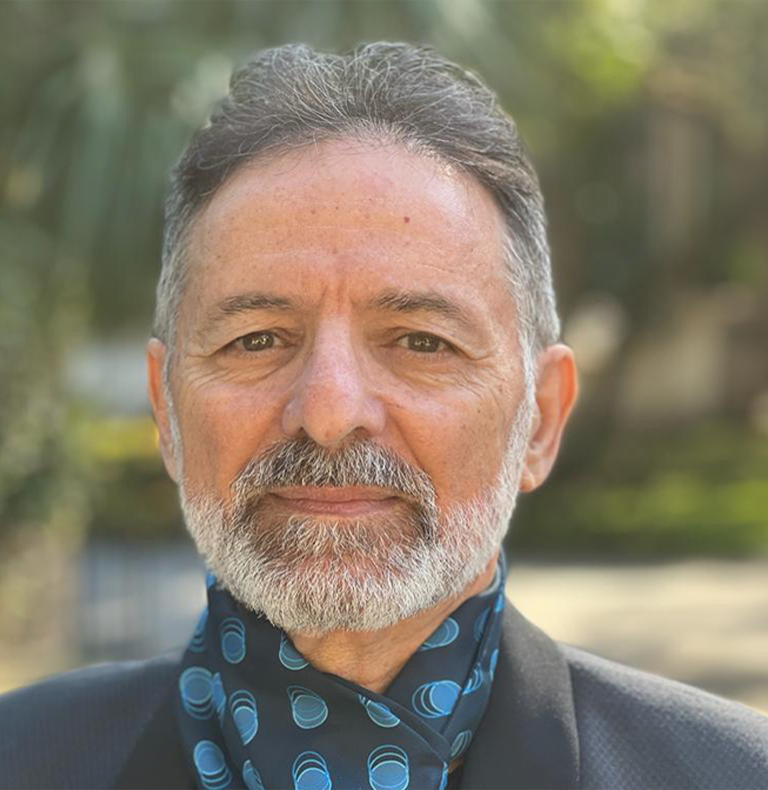
Thomas A. Abraham Named Sport Ambassador for USA Blind Soccer

When Thomas A. Abraham was named the first-ever Sport Ambassador for USA Blind Soccer in September 2023, it marked a transformative moment for the sport. While the appointment itself was historic, it is what Abraham has accomplished since that truly underscores its significance.

A lifelong advocate for inclusion and empowerment, Abraham has dedicated decades to championing opportunities for individuals with disabilities. Since stepping into the role of Sport Ambassador, he has worked tirelessly to elevate blind soccer in the United States. His efforts have included supporting and facilitating key events, fostering collaborations with stakeholders, and actively contributing to the sport’s growth.

“Blind soccer is more than a sport—it’s a testament to the power of resilience, collaboration, and human potential,” said Abraham. “Elevating this game means championing a movement that inspires communities and redefines possibilities for athletes everywhere.”

As chairman of the Anthony R. Abraham Foundation, Abraham has extended his philanthropic vision to support blind soccer through the foundation’s initiatives. “As I embrace this prestigious title, I envision a future where blind and visually impaired athletes redefine possibilities on the global stage,” said Abraham. “With the Anthony R. Abraham Foundation’s support and steadfast dedication, this first Paralympic Sport Ambassador to USA Blind Soccer ushers in a new era of empowerment, camaraderie, and triumph.”

Blind soccer has been part of the Paralympic Games program since 2004, yet the United States has never fielded a team. That will change at the Los Angeles 2028 Paralympic Games, where the U.S. will receive an automatic bid as the host nation. Abraham’s leadership is playing a crucial role in preparing for this historic debut while also building a sustainable foundation for future generations of athletes.

Through his strategic vision, hands-on involvement, and unwavering dedication, Abraham has brought much-needed resources and visibility to blind soccer in the USA and beyond. The International Blinders Network celebrates the ongoing impact of its founder, Thomas A. Abraham, in advancing this sport and empowering athletes with visual impairments.

Abraham’s work demonstrates that breaking barriers in sports goes hand in hand with advancing inclusivity—fostering a world where everyone has the opportunity to participate, contribute, and thrive.

© 2025 International Blinders Network ™. All Rights Reserved.